(Editor’s note: This is the second of three posts about my experiences traveling to and from Antarctica in November 2025. It was the culmination of a lifelong dream. I’ve also included some of the over 500 photos I took in this precious yet largely inhospitable land.)
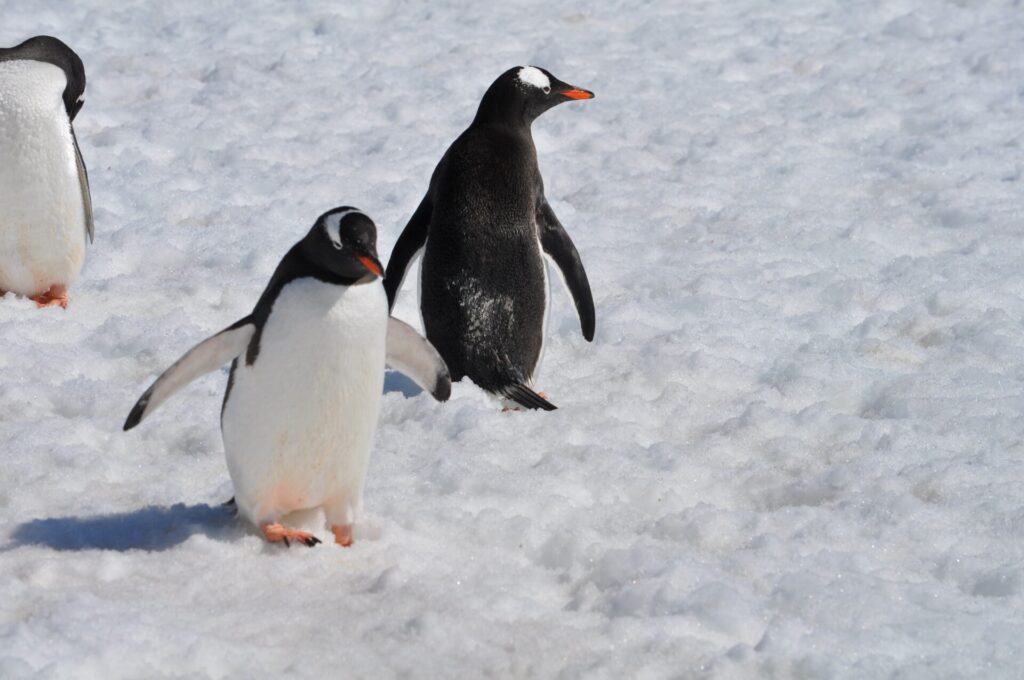
I’m sure noted ornithologist Noah Strycker gets this question all the time. As one of the world’s most famous birdwatchers and researchers, he can easily answer just about any inquiry related to one of the few remaining descendants of dinosaurs. Still, he’s patient when we wildlife-loving amateurs ask THE question about the tuxedo-like exterior of those lovely penguins: Why do they have those colors?
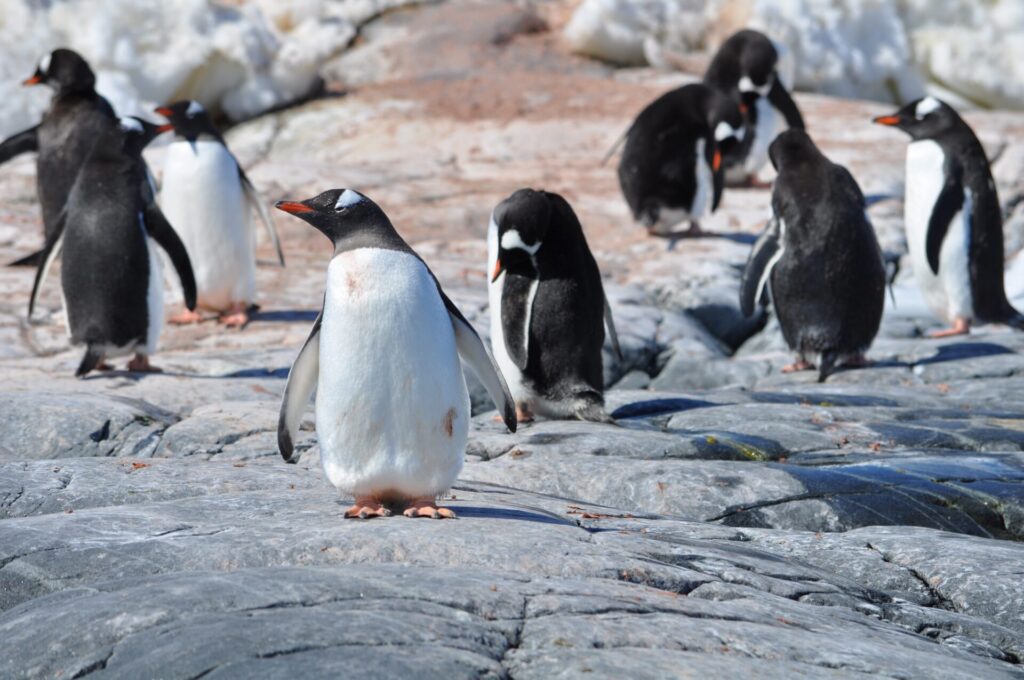
It’s all about camouflage, he patiently explains, during one of his talks as a staff expert giving a lecture aboard a Quark Expeditions November 2025 journey to Antarctica. Penguins’ backs are black, he says, to help conceal them from predators soaring above. Looking down, flying hunters like giant petrels might have trouble discerning penguins from the surrounding dark water. The reverse is true for predators, like leopard seals or orca killer whales, who might be looking up from the depths. The penguins’ white bellies blend in with strong sunlight from above. Evolution: 1. Penguin eaters: 0 … usually. I see heads bobbing in the cozy amphitheater of Quark’s World Explorer ship offshore the Antarctica Peninsula. These passengers love to learn about those cute penguins.
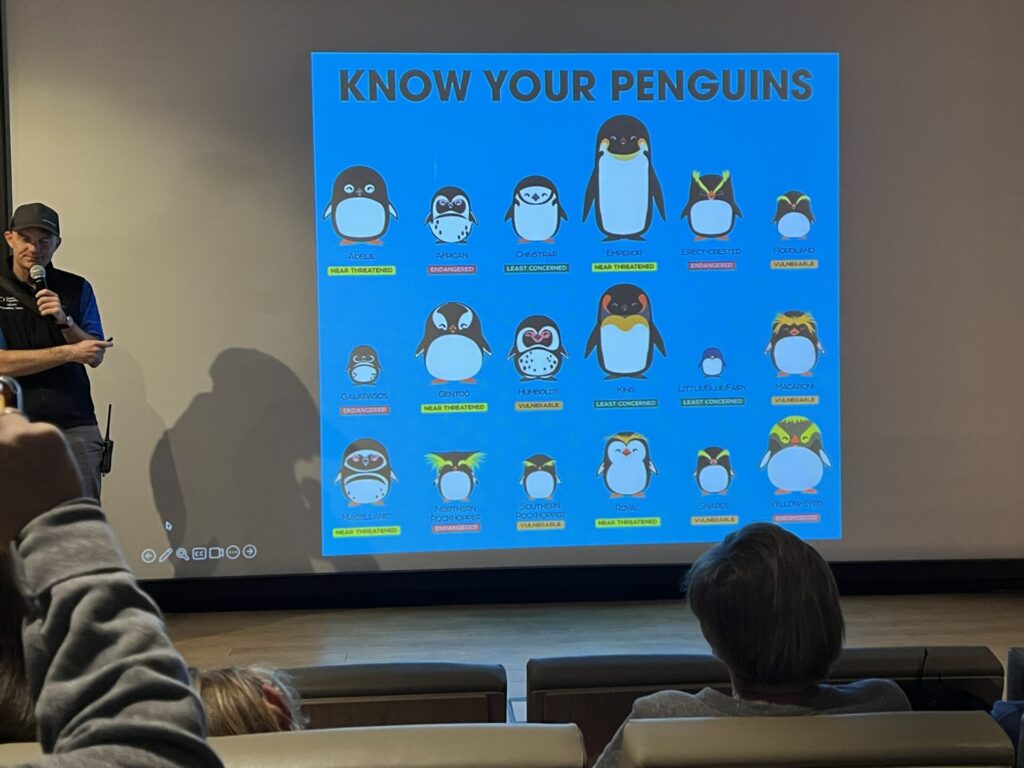
Strycker’s Nov. 23 talk and that of other scientists—including Antarctica-based researchers, marine biologists, and geologists—were among the reasons I chose Quark Expeditions to fulfill my decades-long desire to see Antarctica late last year. Each afternoon or evening, when we weren’t out stomping around the Seventh Continent, we were offered an opportunity to learn more about what we were seeing. Strycker was one of my favorites due to the humor he interspersed with his scientific nuggets. Sitting with me and a few other solo passengers at dinner one night, he said I could call him the “bird nerd” when I asked him to remind me what his name was. He’s a humble scientist who, in 2015, set a world record for spotting over 6,000 of the world’s estimated 10,000 species within 12 months. He’s also published seven books on birds and birdwatching. The lectures were a perfect complement to my time and that of 159 fellow passengers checking in at the bottom of the Earth.
***
Nov. 20, 2025: Overnight and after an evening reception with the captain and his staff, our comfortable ship left Danco Island and relocated to Paradise Harbor, farther south along the Antarctica Peninsula. As I ate breakfast, I could see that our ship was carving through collections of small- and medium-sized icebergs. Our ship is not an ice breaker, but it’s rated to travel through some ice. Its windows are also designed to withstand the strong, often 30-foot-high waves of the famous and dangerous Drake Passage.
After the usual busy process of preparing to spend time outside, our small Zodiac boat left the ship and headed off for a tour of Paradise Harbor waters. We wouldn’t beach the boat on land this morning; we’d be sticking to the Zodiac. We often skimmed through, over, or around small patches of ice, which was a little nerve-wracking. Our guide/pilot for the morning didn’t seem concerned. Our trip through the harbor delivered some of the best landscape photo opportunities of the trip. I switched back and forth from my iPhone to my Nikon, which I was finally becoming more comfortable with after years of disuse. Ship staff photographer Jarryd Salem from Australia had given me and other amateur shutterbugs some good tips.
Nearing shore for some closeups of glaciers and seals, we passed an abandoned Chilean research station. Drawing closer we could see bright red, white, and blue colors painted on one of the large buildings, along with a large white star—all components of the Chilean flag. Small radio towers poked skyward. The scene atop a small hill was ghostly and quiet, appearing almost haunted. But there was some movement. Hundreds of penguins had taken over the site and started rookeries.
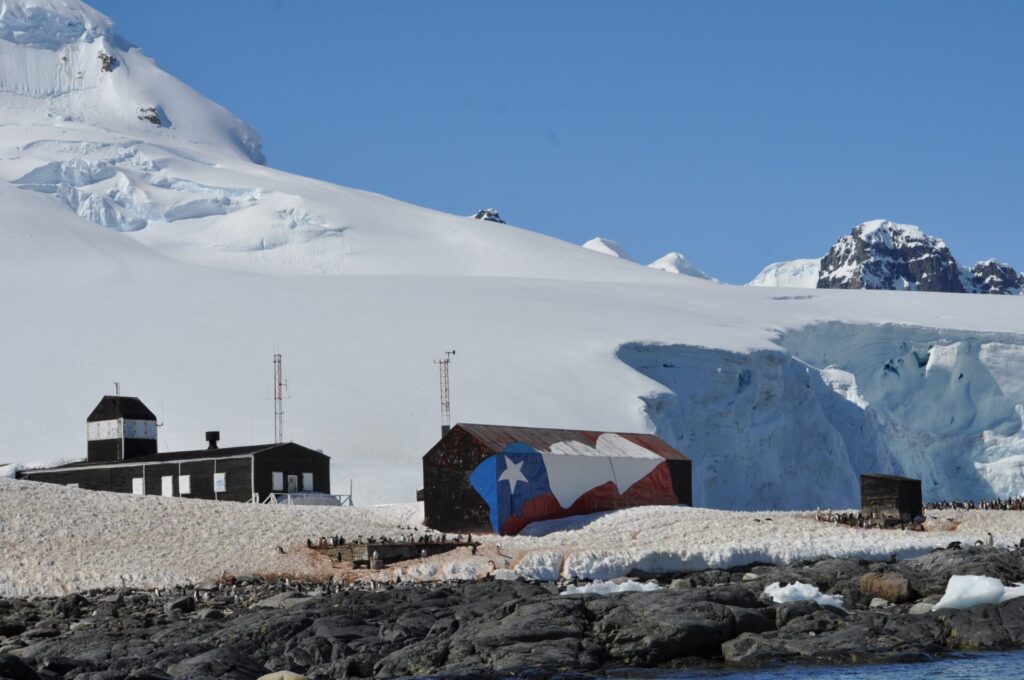
At this point, I realized this was no ordinary tourist trip. Aside from a stop at a permanent U.S. research station (more on that later), we didn’t see other people or ships during our entire trip. For a world traveler accustomed to the crowds at the Louvre, bustling Piccadilly Circus, or the grounds surrounding the Roman Coliseum, it was refreshing. We were, after all, at a destination that only hosts about 100,000 visitors each year. Forty-seven to 50 million visitors check in at Paris and its suburbs annually. I breathed easily as I slowly traveled the waters and lands of this remote continent.
After lunch and rest, we donned our cold-weather garb again and boarded Zodiacs for a late-afternoon trip to Useful Island. Its amusing moniker comes from the island’s role as an important stop for 19th-century whalers and explorers. Many locations in Antarctica are named for the purposes they served. The island didn’t have many areas where we could easily beach the Zodiacs. In most places, soaring cliffs and mountains sit right on the water. Our guides did find a relatively flat spot, but we had to clamber over a large formation of boulders. Again, I almost fell. Again, a guide and a much younger fellow passenger helped me across the rocks. I did get better at this in the coming days. I think I worried too much and slowly tried to find safe places to plant my feet, while others quickly scampered through the rock beds onto the snow and ice region. I needed to trust my balance more.
Useful Island featured dozens of penguin rookeries on bare, rocky spots. This day was bright and I think the sunlight heated up some of the penguin poop. The odor was stronger. I obtained some of my best Gentoo penguin photos on this stop. Using the Nikon and zoom lens I captured images that dazzled me when I curated them back home. Some found a semi-permanent place as my desktop background.
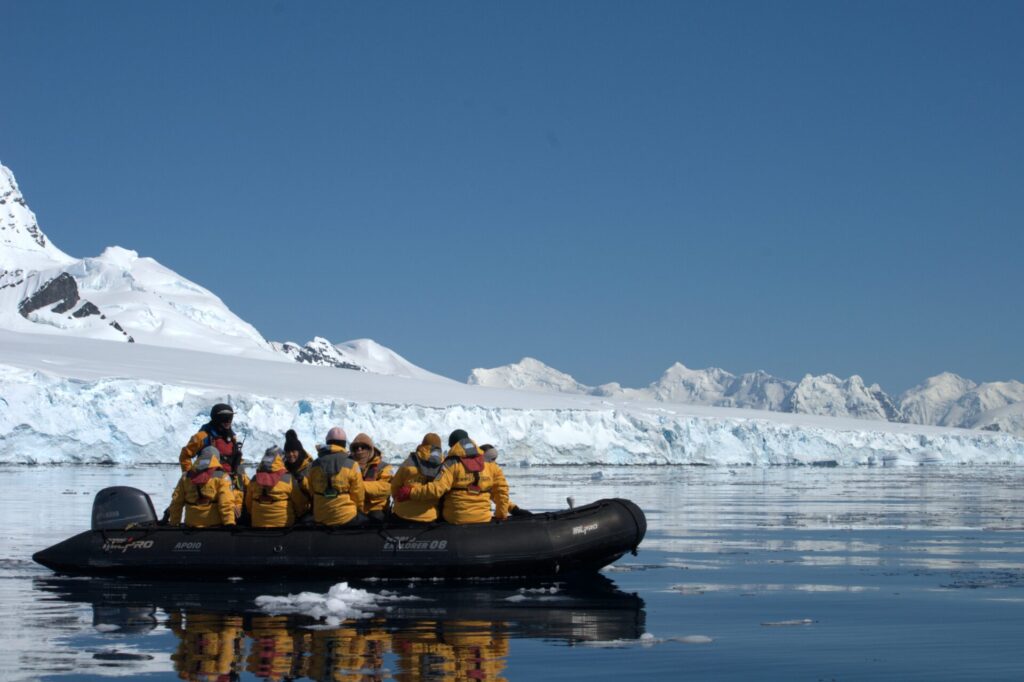
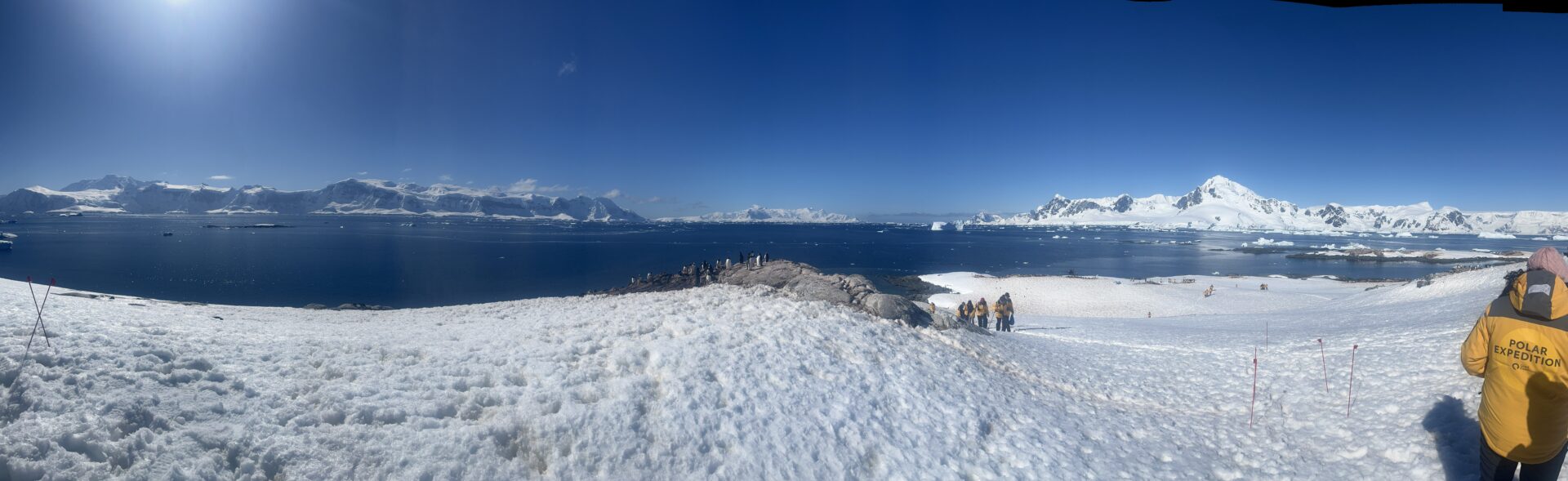
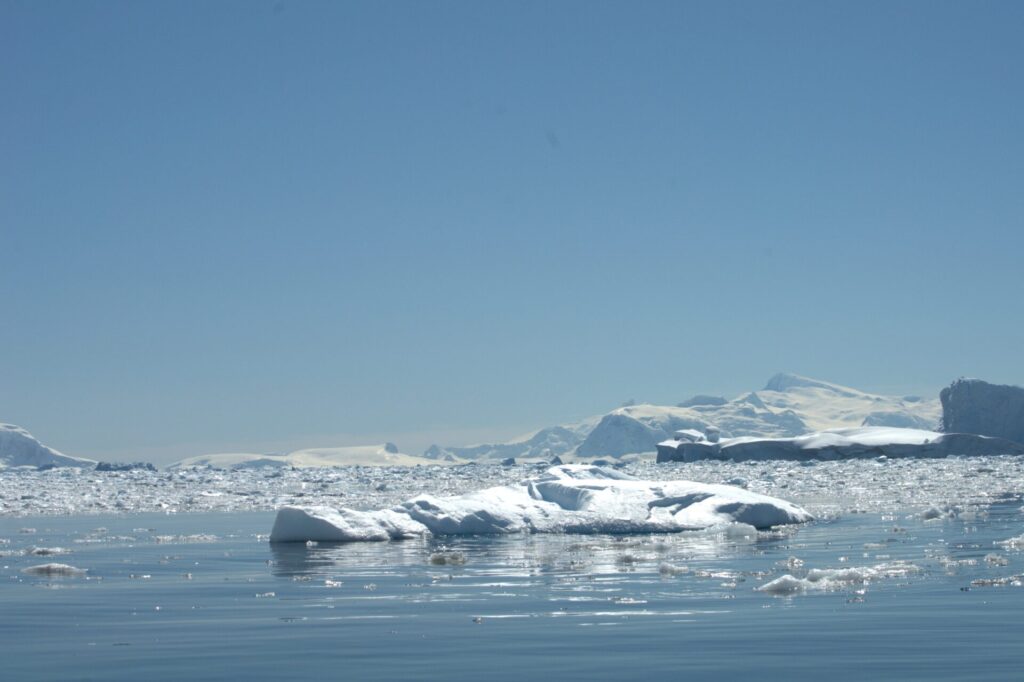
The small hills of Useful Island also gave me an opportunity to take some of my favorite landscape pictures. It had gotten a lot warmer by 7 p.m., so I opened my jacket and removed my gloves to use my walking pole and cameras. The stark color difference between the deep-blue bay waters, snow- and ice-covered ground, and nearby mountains almost seemed too much for my aging eyes. I lowered my ski goggles to help.
Back at the ship later that night, I ate another large dinner. Tramping and boating around the chilly waters and lands did wonders for my appetite. And each time a waiter offered to refill my glass with wine, I graciously nodded assent. All food and drink were included in our expedition cost. Even though I was traveling solo I gradually got to know a few fellow passengers and guides. In addition to bird expert Noah, there was guide Ryan from British Columbia, who worked northern hemisphere summers as an adventure hike and kayaking guide. He regaled me with stories of that beautiful northwest region of North America. There was passenger Liz of Nova Scotia, who worked on a project studying the nearby ocean bottoms near Halifax. She was a popular fellow passenger known for amusing quips that lightened the mood as we prepared for Zodiac excursions. Jake, the expedition leader from Canada, was one of my favorites. His wry smile, twinkling eyes, humor, and useful briefings had me chuckling at times and paying rapt attention during other occasions. I thanked him profusely when he joined solo travelers at a dinner table reserved for unaccompanied adventurers so we could get to know each other better. When I read his bio later, I was disappointed to learn he was a fellow private pilot. I would have loved to talk to him about aviation.
Dinner was followed by another sound night of sleep. Now that the thrashing Drake Passage waves were behind us, I was becoming more comfortable returning to my double-roomed cabin each night.
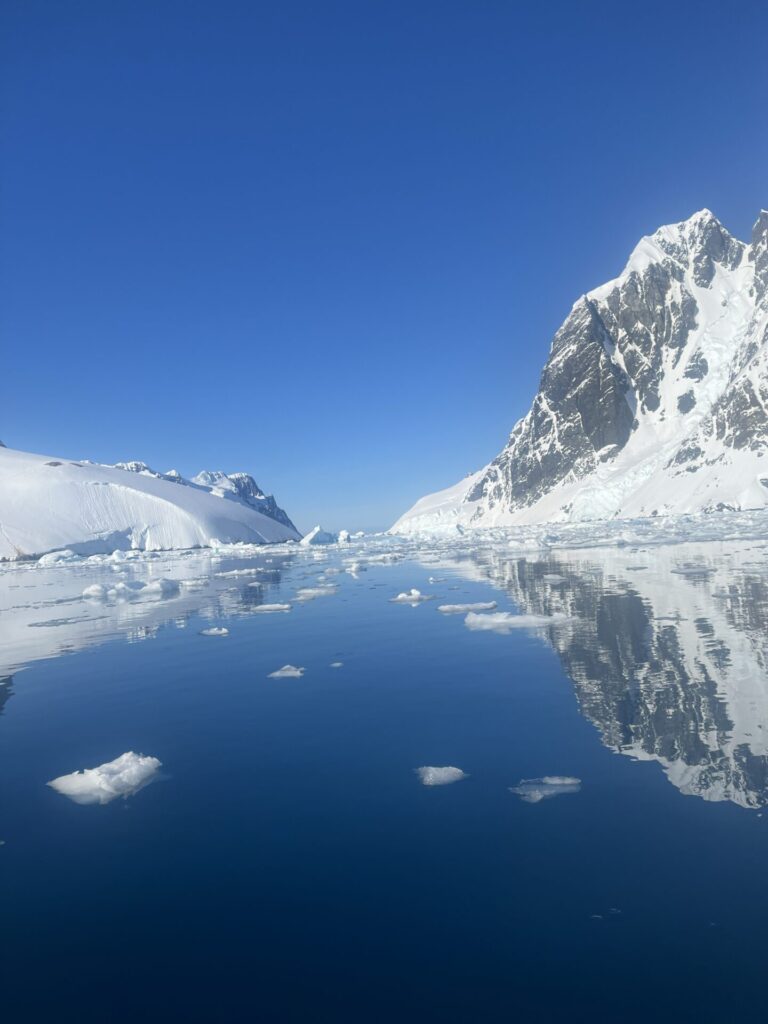
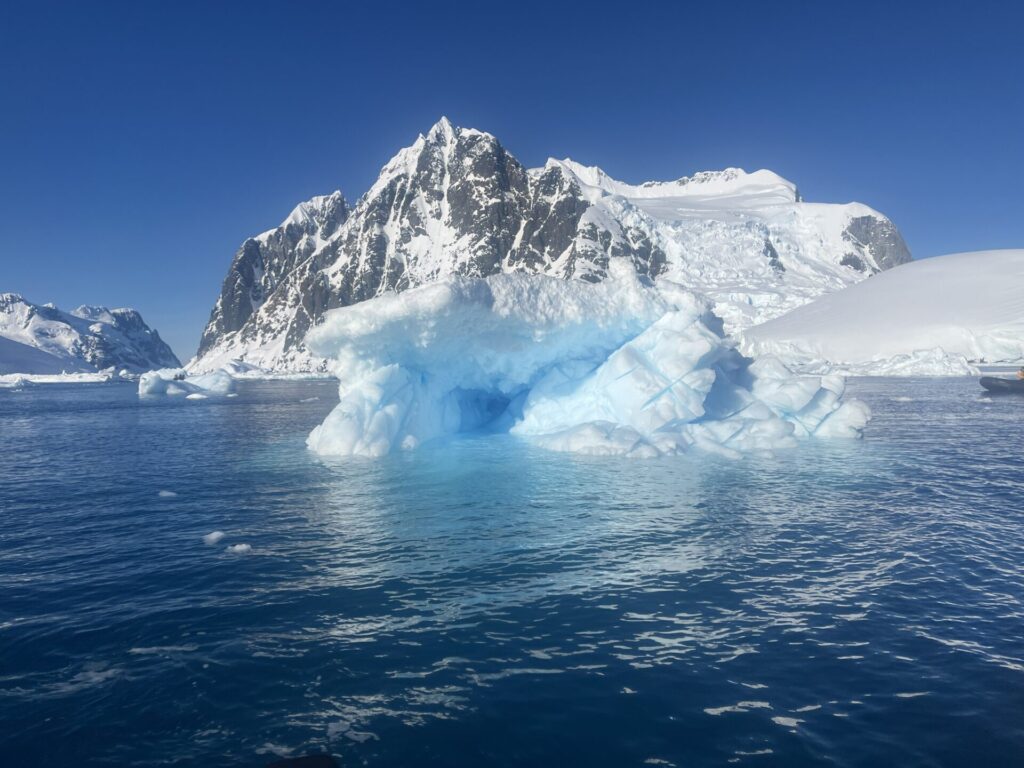
Nov. 21, 2025: Our target for the morning was the scenic Lemaire Channel, named for Belgian Explorer Charles Lemaire, who never even set foot on Antarctica. Fellow Belgian explorer Adrien de Gerlache discovered the channel and named it for Lemaire, who mostly explored the Congo. Lemaire Channel is a popular spot due to silky-smooth waters, rising land, cliffs, and the mountains that surround the channel on both sides. On this day, thick ice prevented us from taking our World Explorer ship as far south as the captain might have liked. It also seemed a little colder. I’d be keeping my parka zipped today. We stopped in the northern part of the passage, where the crew dispatched us amateur explorers on Zodiacs. The Lemaire Channel would also represent the southernmost point on our trip. From there we’d continue poking along the peninsula but heading north.
The Lemaire excursion provided us with magnificent vistas that taxed our camera batteries. It was also the most “interesting” of all our Zodiac excursions. We dipped and dodged around, through, and on top of ice layers. As we passed through groups of ice chunks, some seemed to close in behind us. One of the Zodiac riders asked our guide if that would prevent us from getting back to our mother ship. The guide grinned and said we’d “be okay.” As we neared the end of our trip, we spotted a small avalanche occurring on a nearby mountain. I captured a good video of the silent, descending stream of snow and ice.
We also happened upon a leopard seal—one of the region’s top predators—resting lazily on a chunk of flat ice. He barely noticed us and rolled around slowly before seeming to shrug and then slipping into the water. Our guide/pilot captured an underwater video of the beautiful but dangerous creature and shared it with me later.
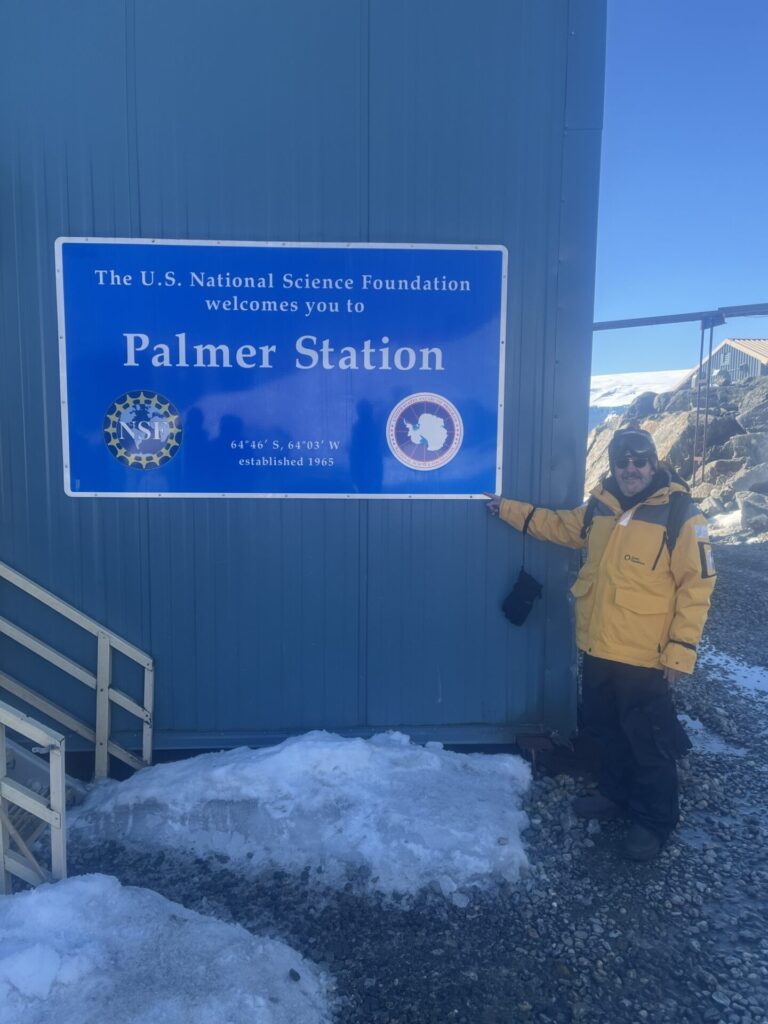
Our second daily excursion, later that afternoon, took us to Palmer Station, a permanent research facility on Anvers Island. It’s the smallest of the three primary U.S. research facilities on the continent. A scientist who would be staying at the station for three months was riding with us on the Quark ship until we reached Palmer, so it made sense for us to visit. Originally built in 1965, the station is funded and run by the National Science Foundation and named for Nathaniel B. Palmer, an early 19th century American explorer.
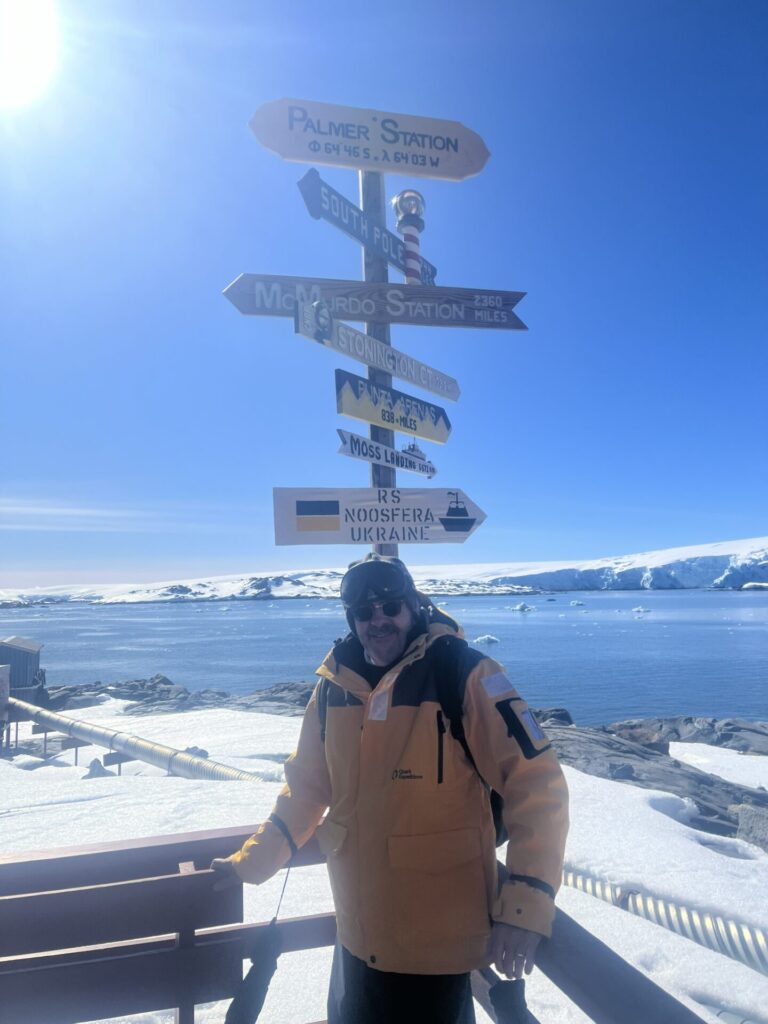
After we beached on what might have passed for a normal marina boat ramp back home, a slender, long-haired station worker gave us a short tour of the external parts of the station. The buildings are spread throughout a small piece of land and interspersed by networks of large pipes and wires. I was a little disappointed that we weren’t offered the chance to see actual labs. I wanted to see microscopes, Erlenmeyer flasks, and white-coated, goggled scientists. My favorite part of the tour was one of those makeshift signs that pointed to different locations in Antarctica and the world. The largest U.S. facility on Antarctica, the sign informed us, is McMurdo Station 2,360 miles to the east. Stonington, Connecticut, is over 7,000 miles away. That was Palmer’s birthplace.
My least favorite part of the Palmer tour was the gift shop. It was a small space made even more claustrophobic by our group. I spent a few minutes bumping against people inside the shop before buying a small notebook and stepping outside to wait. I preferred our last stop, a second-floor lounge in the main building where we sampled homemade brownies and chatted with many of the researchers.
As we boarded our Zodiacs and our hosts said goodbye, I got the distinct impression they hated seeing us go. I think they enjoyed the rare company.
Back at the ship and before dinner, I overheard rumors about a special event that I had expected would take place later in our expedition, before we turned north for good, back into the Drake Passage toward Argentina. Even though we had already gone out on two excursions on this day we had plenty of daylight left for one more “event.” We were, after all, in a polar region that experiences close to 22 hours of daylight per day at this time of year.
***
Next and final chapter: More excursions; more wildlife, a shocking plunge, and back through the Drake Passage to Argentina.
Link to first chapter: https://markmarchand-upstateny.com/off-to-anatarctica-the-seventh-continent/